THE CLAVE
Two bars that set the shape
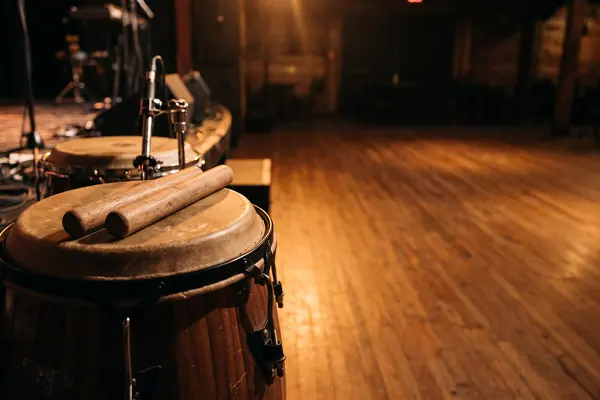
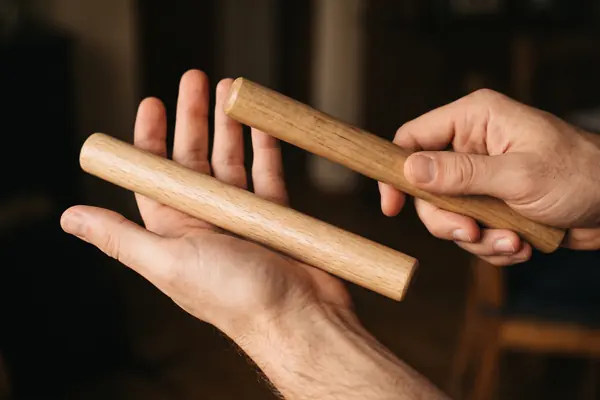
Son clave is a two-measure pattern: two hits in one bar and three in the other, called 2-3 or 3-2 depending on which comes first. The other parts of the song have to fit it.
Try a tempo aisalsadance
HOW SALSA TIME WORKS
Salsa feet follow a pattern hidden in the music.
Check a tempo
THREE STEPSto every four beats
Under the horns and the singing sits the clave, a two-bar rhythm that holds the whole song together, often without being played out loud. Learn to hear it and a steady beat, and the steps start to fall into place.
Updated
THE SHORT ANSWER
Three things beginners are listening for.
None of them needs a teacher to start.
THE CLAVE
Son clave is a two-measure pattern: two hits in one bar and three in the other, called 2-3 or 3-2 depending on which comes first. The other parts of the song have to fit it.
Try a tempoTHE COUNT
The basic salsa rhythm takes three steps for every four beats of music. Styles differ on where you break: LA style on 1, New York style on 2.
How to practiseTHE ROOTS
The word salsa took hold in 1970s New York as a label for dance music whose strongest roots are in Cuban son and Puerto Rican folk music.
See the numbersA QUICK TEMPO CHECK
Pick a speed to see where it sits in the range salsa is danced to. The bar shows how quick the beat is for a beginner to follow.
Tempo ranges from the Wikipedia article on salsa dance, which cites dance teaching sources. Songs vary, and many dancers start with slower tracks.
TWO NUMBERS WORTH KNOWING
One figure on the body's natural rhythm,
one on how rare true beat trouble is.
≈ 2steps a second
Step rate people settle into
Measuring 20 people over 10 hours of normal life, researchers found a strongly tuned movement rhythm at 2 Hz, matching the roughly 120 steps a minute seen in walking studies.
NATURAL TEMPO · J APPL PHYSIOL 2005
2 of 99
Non-musicians who could not tap in time to music
In a tapping study of 99 non-musicians, 10 synchronised poorly, and only 2 could not synchronise to music at all, despite normal rhythm discrimination.
BEAT TROUBLE · NEUROPSYCHOLOGIA 2013
McGill University researchers describe tapping or clapping to a beat as easy for most people, while a small number of so-called beat-deaf people struggle to stay in time.
FOUR WAYS TO PRACTISE
These come from a Smithsonian Folkways music lesson and from how the basic step is counted. All you need is a recording and some floor space.
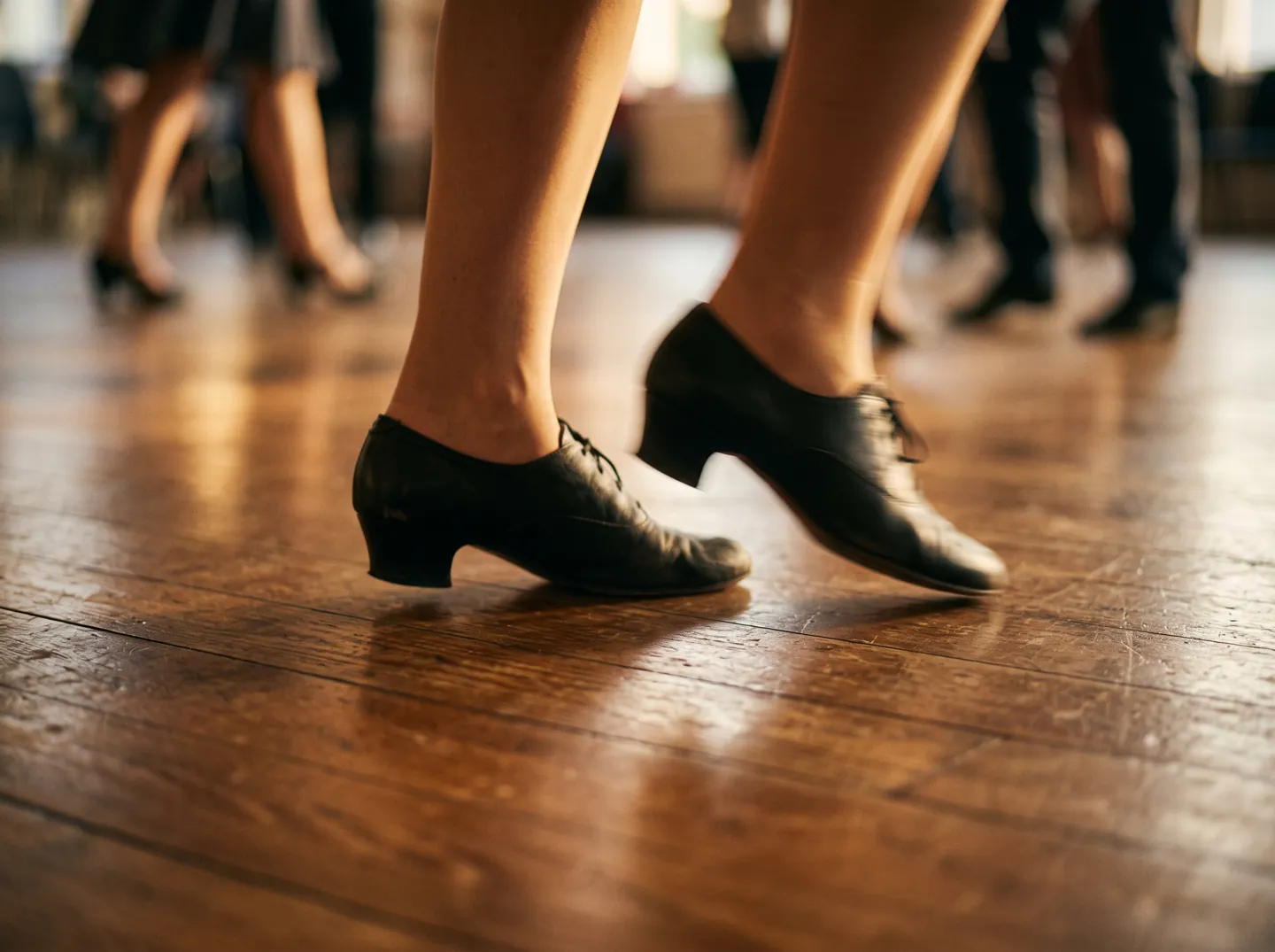
Put on a son or salsa track and walk in time around the room before you try any steps.
Keep walking and clap the clave: two hits in one bar, three in the next. It is often implied rather than played out loud.
A quick drum roll and rim shot on the timbales, called the abanico, often signals that a new section is starting.
Once the pulse feels settled, add the basic step: three steps for every four beats, starting on 1 or on 2.
WHERE THE SOUND COMES FROM
Smithsonian Folkways teaching notes call salsa a commercial label for dance music that blends Latin American and Caribbean styles with US big-band jazz. The sound existed before the name, which emerged in 1970s New York.
Its strongest roots are Cuban son, which grew up in rural eastern Cuba in the late 1800s, and Puerto Rican folk music such as plena and bomba. A son band, the conjunto, mixes guitars, tres and bass with congas, bongos, timbales, güiro, maracas and the claves.
Questions
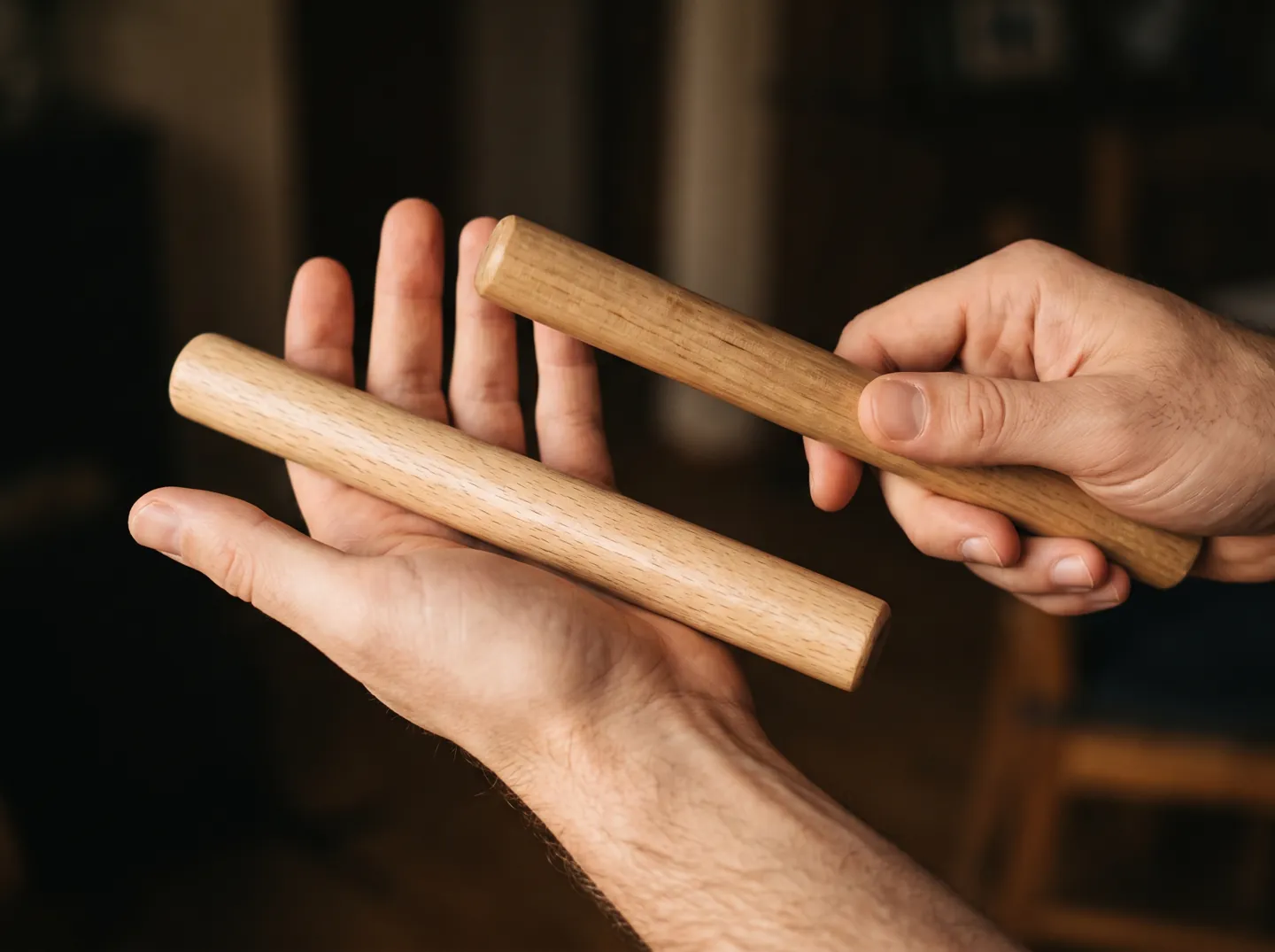
It is both a rhythm and the pair of wooden sticks, the claves, that play it. Son clave is a two-bar pattern with two hits in one bar and three in the other, and the other parts of a song are arranged to fit it.
They are the same pattern started from different bars. In 2-3 clave the two-hit bar comes first; in 3-2 clave the three-hit bar comes first.
It is where you break, or change direction, in the count. LA style salsa breaks forward on the first beat; New York style is danced on the second beat.
Salsa ranges from about 150 to around 250 beats per minute, and most dancing is done to music between 160 and 220 beats per minute.
Most people can tap or clap to a beat, and studies find true beat deafness rare. Walking the steady beat to slower songs and clapping along is a gentle way to start.
ABOUT THIS NAME
aisalsadance.com is part of the DoodleSale portfolio. It isn't in an auction right now, but you can ask about leasing it.